



As we start turning the page on 2025, it’s worth pausing to take stock of what the past year has taught us. Just as important is how those lessons will shape the way we approach 2026.
While the industry has largely settled into a new normal, ongoing economic pressures, shifting supply chains and evolving buyer expectations continue to influence how and why people invest in promotional products.
Below is our take on the key topics that shaped branded merch in 2025 and what they mean for the year ahead.
On-Demand Debut
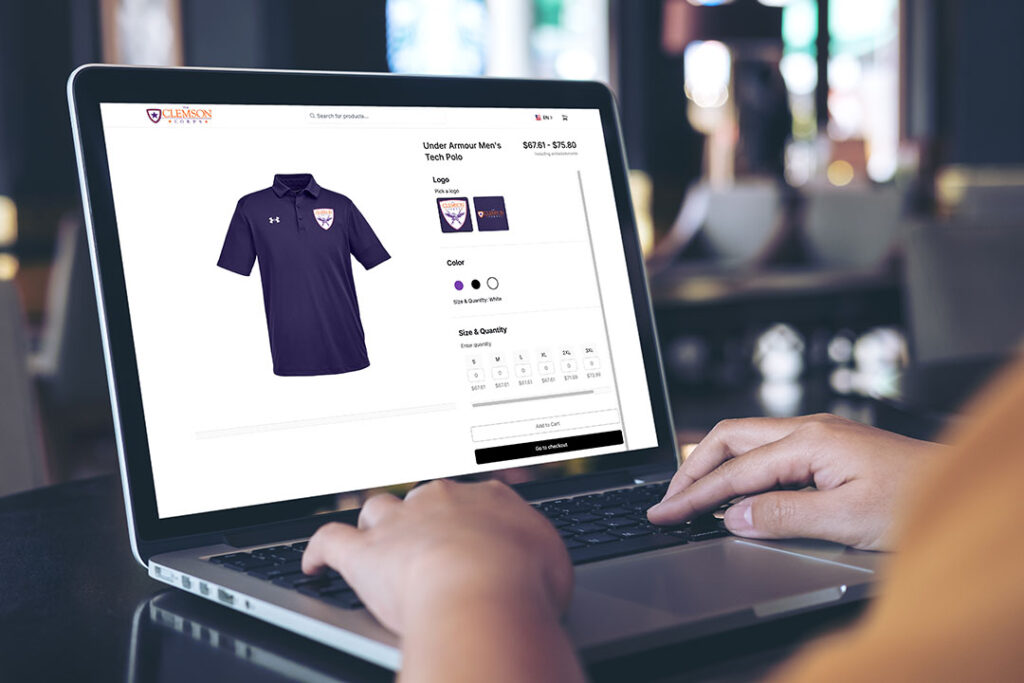
On-Demand options continue to rise in the promo industry. 2025 proved to be a big year for The Vernon Company as we launched our new On-Demand Store platform, a turnkey e-commerce solution that automates ordering and eliminates inventory headaches by producing items only after they’re purchased.
This means no stockpiles, quicker launches for seasonal designs and a modern, retail-style experience your team or customers will enjoy. The sustainability factor of on-demand production falls in line with broader industry trends. Gone are the days of guessing quantities, sorting leftover boxes and hoping medium tees don’t quietly become landfill fodder.
Early adopters are already noticing how fast production, built-in reporting and zero warehousing make branded merch feel less like a logistical headache and more like a strategic tool. Plus, when people can pick their own gear, engagement goes up and waste goes down. Because of this, on-demand isn’t just a tech buzzword. It’s changed the playbook for how promo gets ordered, delivered and used.
Personalized Preferences
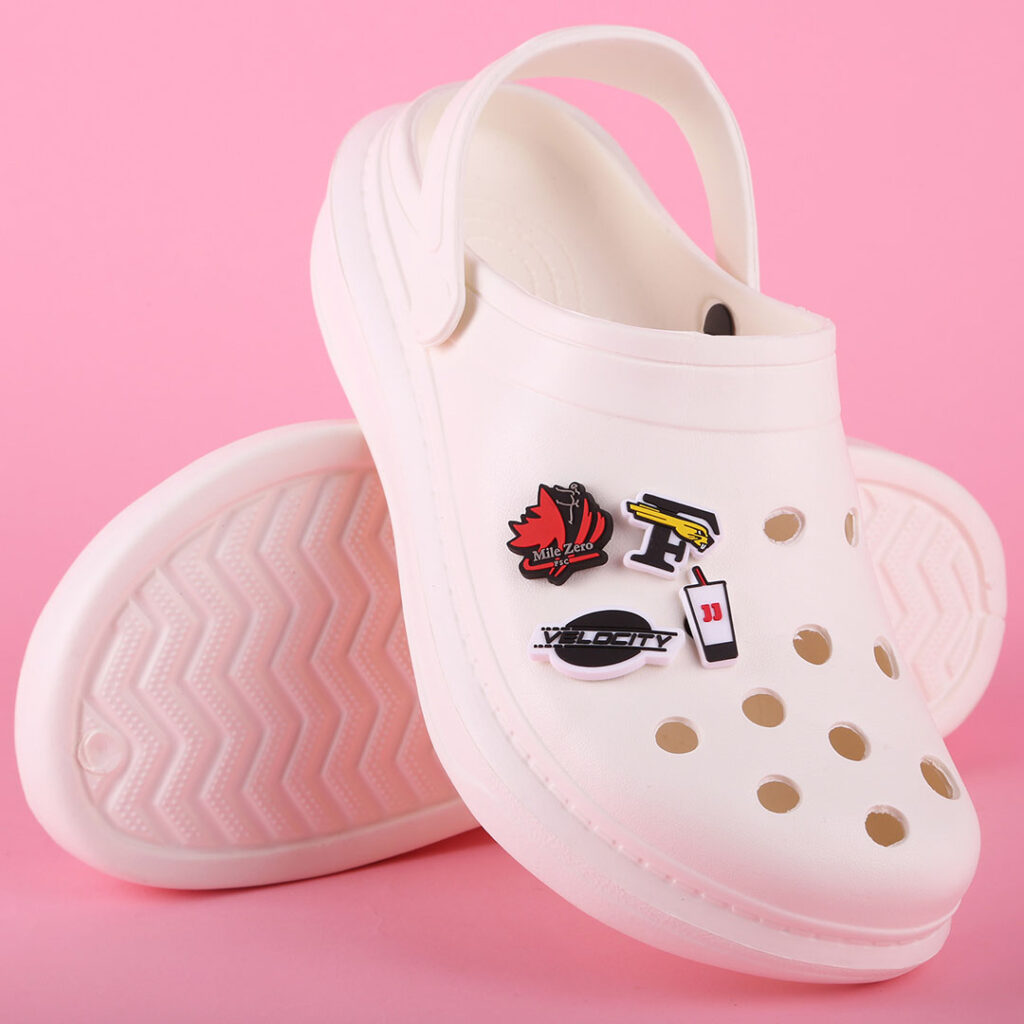
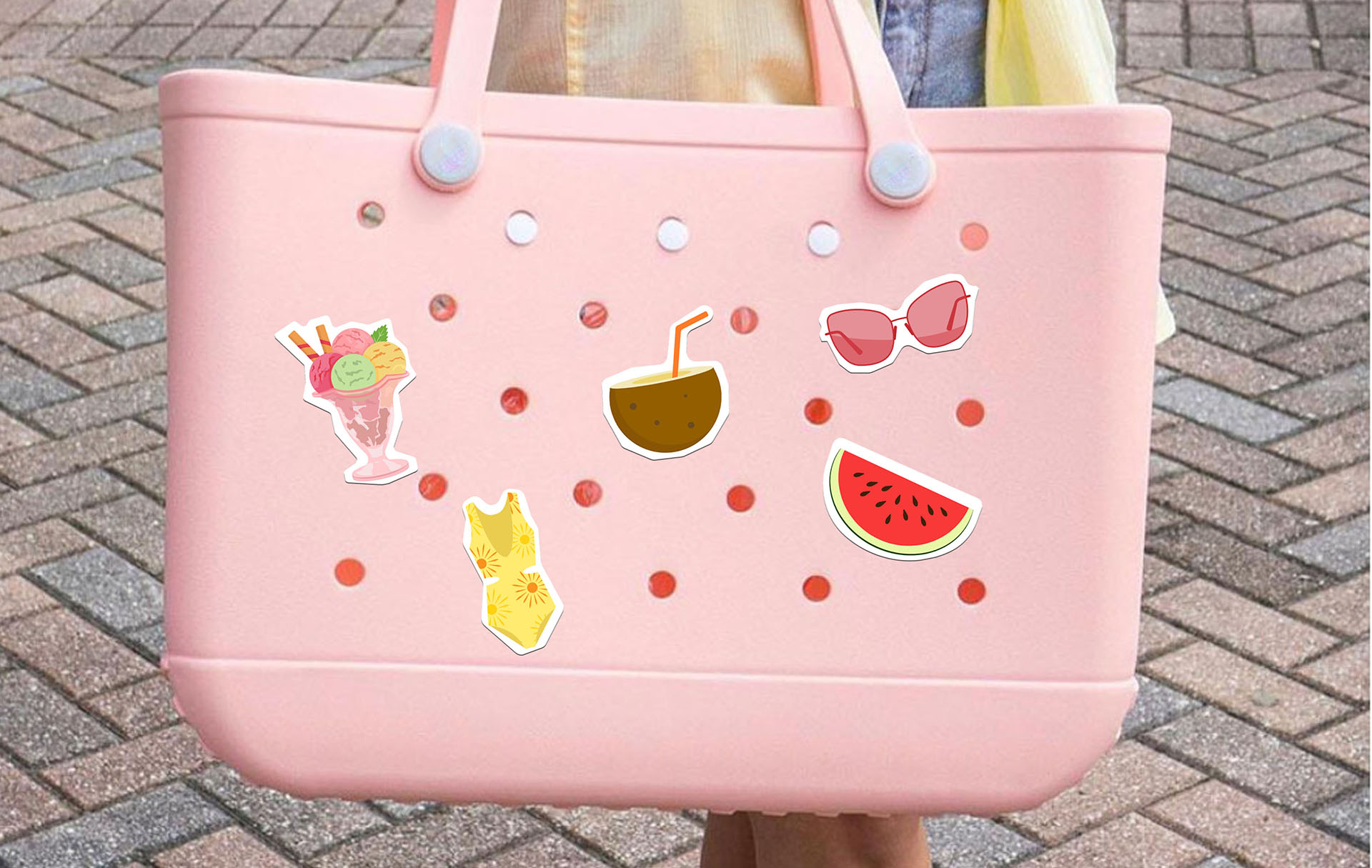
One-size-fits-all has officially retired. Today’s recipients expect a bit more thought behind what they’re given — and the industry has taken notice. In fact, personalized accessories like stickers, patches, pins and keychains were named Counselor’s 2025 Product of the Year, showing how personalization-ready items have shifted from afterthoughts to headline performers.
The growth isn’t just about logos on stuff anymore. Searches for “custom stickers” jumped about 40% year-over-year in 2025, with similar upward trends for pins and straw toppers. Brands are leaning into fun, culturally relevant designs that let end-users express personality — and that emotional, shareable factor turns ordinary promo into something people care about.
Thanks to on-demand technology and smarter production, personalization isn’t a budget breaker. Even simple accessories can multiply perceived value and extend the life of a campaign because recipients pick and choose how they use them. When you give someone a choice and a way to personalize it, it stops feeling like a giveaway and starts feeling like a keepsake.
Retro Returns
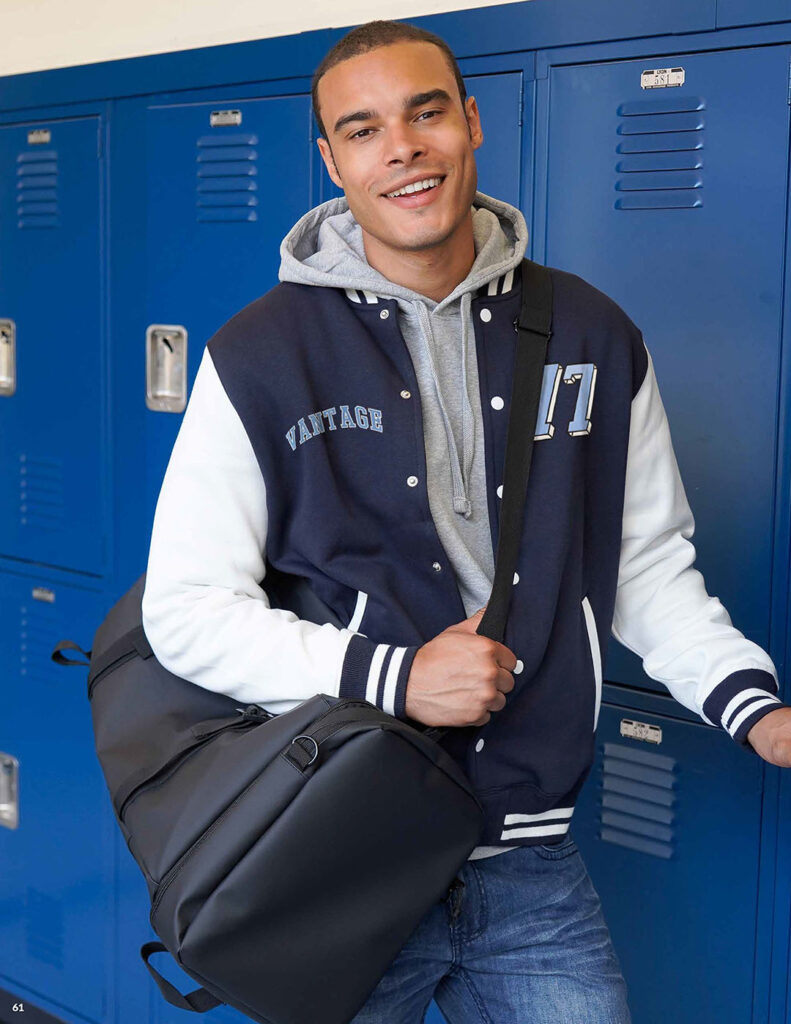
This year, nostalgia wasn’t just a theme — it was everywhere in merch that felt like it belonged in a thrift store window or on a store shelf from decades past. Brands leaned into retro and vintage aesthetics in fun and unexpected ways, proving that classic styles aren’t just back, they’re better dressed.
Take Betty Crocker’s SuperMoist line, for example. The Minnesota baking icon turned its classic branding into dad caps, varsity sweatshirts, keychains and totes featuring bold, tongue-in-cheek graphics that feel like something you’d snag on a road trip. It’s witty, memorable and rooted in brand history rather than a simple logo slapped on a blank tee.
Even pop culture moments got the retro treatment: a Varsity-style jacket designed in collaboration with Jeff Hamilton for Truly Hard Seltzer leaned into 1994 U.S. Men’s Soccer uniforms ahead of the 2026 World Cup, giving it both a throwback feel and forward momentum.
These examples show that 2025’s retro isn’t about dusty logos. It’s about telling a story, blending nostalgia and contemporary design, and giving recipients pieces that feel timeless and shareable across social feeds.
Tariff Troubles
Tariffs aren’t the most exciting topic, but in 2025, they’ve been one of the biggest operational stressors for promo pros. A recent flash survey of PPAI 100 suppliers shows tariff uncertainty and higher procurement costs squeezing margins and slowing growth — making tariffs one of the most disruptive external factors of the year.
Nearly 9 out of 10 suppliers reported that tariffs or trade policy are affecting their operations, and about 42% stated that these costs have created a significant strain on their costs and margins. That combination of unpredictable pricing and ongoing supply chain pressure has forced many companies to rethink their sourcing strategies rather than hope for stability.
That mix of cost-capture strategies and proactive sourcing has become critical because tariffs are not going away anytime soon. The ones that get ahead in 2025 are the ones that build flexibility into pricing and production — whether that means adjusting quotes earlier, offering US-made alternatives or planning lead times more strategically.
The Big Picture
The common thread across all these trends is intention. Brands want merch that aligns with their values, budgets and audiences. They want fewer throwaways and more keepers. Less clutter and more purpose.
2025 wasn’t about doing more — it’s about doing it better.
Related Articles:
Promo Year in Review 2024
Promo Year in Review 2023